O Que É um Currículo Otimizado para ATS? Significado, Formato e Boas Práticas
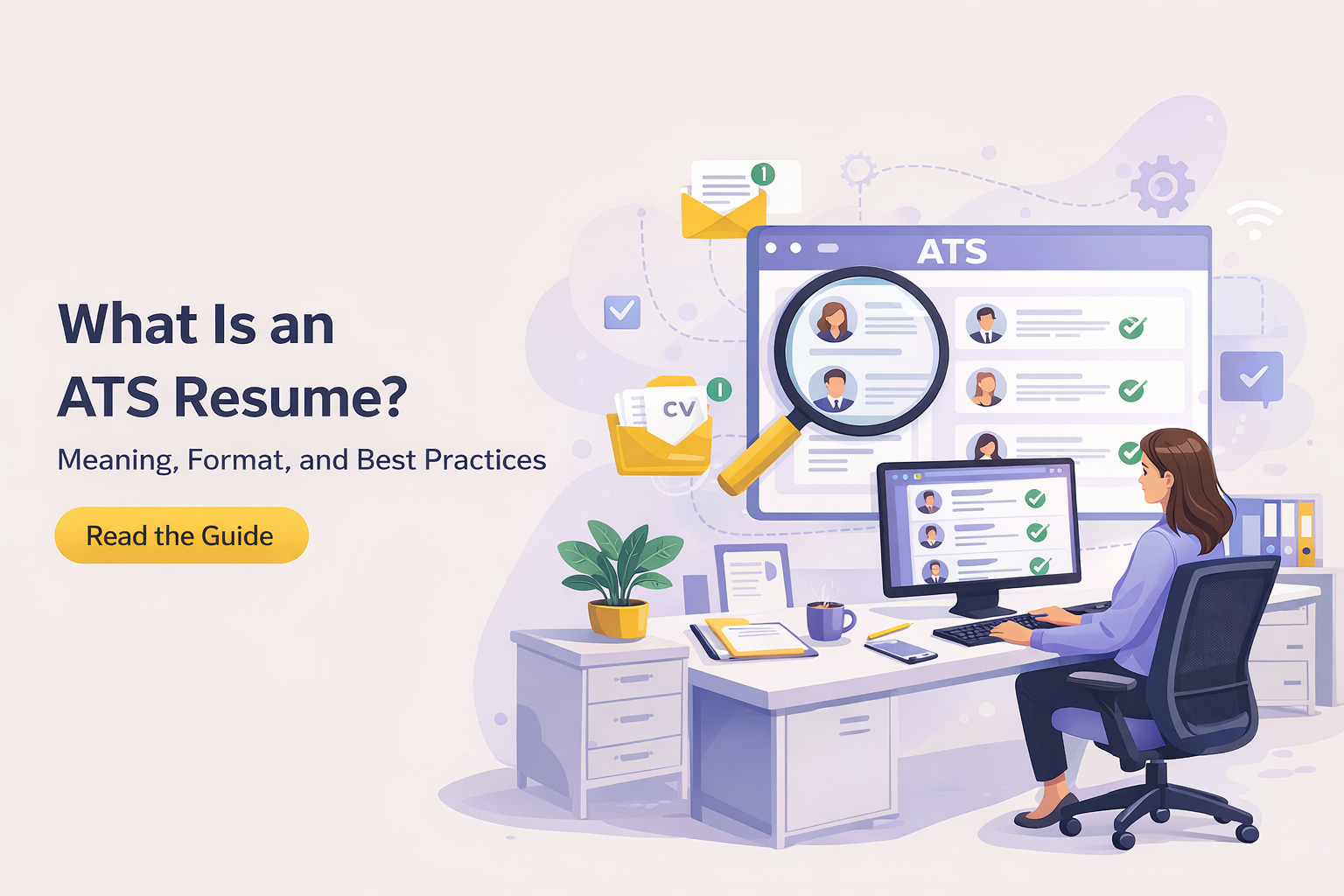
Quando os candidatos a emprego ouvem a expressão “currículo ATS”, isso soa muitas vezes a um tipo de currículo diferente, com regras ocultas, truques técnicos de formatação ou palavras-chave especiais concebidas para impressionar o software. Na realidade, um currículo otimizado para ATS não é um tipo de documento separado. É simplesmente um currículo escrito e formatado de forma a facilitar a leitura, a organização e a interpretação por parte dos sistemas de gestão de candidaturas.
Essa distinção é importante porque muitos candidatos complicam demasiado o tema. Alguns assumem que ser compatível com ATS significa ser simples, sem vida ou robótico. Outros acreditam que o sucesso depende de encher os currículos de palavras-chave ou de usar modelos formulaicos. Na prática, um bom currículo otimizado para ATS é construído em torno da clareza. Utiliza títulos reconhecíveis, uma estrutura lógica, uma formatação legível e uma linguagem relevante, para que tanto o software como os recrutadores humanos o consigam compreender rapidamente.
Este guia explica o que é realmente um currículo otimizado para ATS, como os sistemas de gestão de candidaturas processam os currículos, que opções de formatação ajudam ou prejudicam e como criar um currículo que se mantenha profissional, legível e compatível com os fluxos de contratação atuais.
O Que Significa Realmente um Currículo Otimizado para ATS
Um currículo otimizado para ATS é um currículo estruturado de forma a facilitar a análise e a pesquisa de currículos dentro dos sistemas de gestão de candidaturas. Os empregadores usam plataformas de ATS para reunir candidaturas, armazenar dados dos candidatos, procurar experiência relevante e gerir os processos de contratação. Antes mesmo de um recrutador abrir o perfil de um candidato, o sistema tenta frequentemente extrair informação do ficheiro carregado e organizá-la em campos como nome, localização, cargo, percurso profissional, competências e formação.
Quando um currículo é fácil de interpretar pelo sistema, é mais provável que essa informação apareça nos sítios certos. Quando a formatação é demasiado complexa ou a estrutura das secções não é clara, o ATS pode interpretar mal ou classificar incorretamente partes do currículo. Isso pode tornar o candidato menos pesquisável ou menos compreensível durante a análise.
Por isso, um currículo otimizado para ATS não é um documento com truques. É um currículo concebido em torno da compatibilidade, da clareza e da precisão.
Porque É Que os Currículos Compatíveis com ATS São Importantes
Os sistemas de gestão de candidaturas são hoje comuns em empresas de diferentes dimensões. As grandes empresas dependem deles devido ao volume de candidaturas, mas muitas empresas mais pequenas também os utilizam através de plataformas de recrutamento, suítes de RH e integrações com portais de emprego. Em muitos fluxos de contratação, o ATS torna-se o primeiro ambiente em que o seu currículo é processado.
Isto não significa que seja uma máquina a tomar sozinha a decisão final de contratação. Na maioria dos casos, os recrutadores e os responsáveis de contratação continuam a analisar os candidatos manualmente. Mas o software influencia o que é destacado, a forma como os currículos são armazenados e a facilidade com que é possível encontrar alguém mais tarde. Um currículo difícil de analisar pode criar entraves antes mesmo de uma pessoa avaliar adequadamente a experiência do candidato.
É por isso que uma formatação compatível com ATS é importante. Não se trata de otimizar para as máquinas à custa das pessoas. Trata-se de eliminar obstáculos evitáveis para que a sua informação se mantenha intacta e compreensível desde o início.
Um currículo pode conter a informação certa e ainda assim ter um desempenho aquém do esperado se a sua estrutura visual criar problemas de análise, razão pela qual compreender as boas práticas de formatação de um currículo para ATS se torna essencial antes de finalizar o ficheiro.
Como os Sistemas de Gestão de Candidaturas Leem os Currículos
Quando carrega um currículo, o sistema costuma converter o documento em texto legível por máquina. Em seguida, tenta identificar padrões e mapear o conteúdo em campos padronizados. Por exemplo, pode procurar uma secção de contacto no topo, cargos seguidos de nomes de empresas e datas, ou títulos como “Formação” e “Competências”.
Alguns sistemas fazem isto bem. Outros são muito menos fiáveis. A precisão da análise pode variar consoante o fornecedor do ATS, o tipo de ficheiro, a complexidade do design e até as escolhas exatas de disposição dentro do documento.
O sistema está normalmente a tentar responder a questões simples. Quem é este candidato. Que funções desempenhou. Que competências são mencionadas. Que formação possui. Que palavras-chave correspondem à vaga ou à pesquisa interna.
Quanto mais limpa for a sua estrutura, mais fácil é para o software responder corretamente a essas questões.
Mitos Comuns Sobre os Currículos Otimizados para ATS
Muitos mal-entendidos sobre os currículos otimizados para ATS resultam de conselhos demasiado simplistas.
Um mito comum é o de que os currículos compatíveis com ATS têm de ser feios. Isso não é verdade. Um currículo pode continuar a ter um aspeto cuidado e profissional, recorrendo a padrões de disposição limpos e a uma tipografia padronizada. A contenção visual ajuda, mas um bom design e a compatibilidade com ATS não são opostos.
Outro mito é o de que o segredo está em encher o currículo de palavras-chave. Na realidade, repetir palavras-chave de forma artificial pode tornar um currículo mais difícil de ler e enfraquecer a credibilidade. A linguagem relevante é importante, mas deve refletir experiência real e encaixar-se naturalmente no documento.
Um terceiro mito é o de que existe uma fórmula de ATS perfeita que funciona em todo o lado. Diferentes sistemas de gestão de candidaturas comportam-se de maneiras diferentes. Não existe um truque universal que garanta uma análise ideal junto de todos os empregadores. O que ajuda de forma consistente é uma formatação estruturada, títulos padronizados, ficheiros legíveis e uma linguagem clara.
As Características Essenciais de um Currículo Otimizado para ATS
Um currículo compatível com ATS costuma partilhar algumas qualidades práticas.
Utiliza títulos de secção familiares, como Resumo Profissional, Experiência Profissional, Formação, Competências e Certificações. Segue uma ordem de leitura previsível, frequentemente de cima para baixo numa única coluna. As datas, os cargos e os nomes dos empregadores são fáceis de identificar. As fontes são padronizadas e legíveis. Os elementos decorativos são limitados. O conteúdo é escrito de forma clara e específica.
Acima de tudo, um currículo otimizado para ATS preserva o significado. O software deve conseguir identificar a sua experiência com precisão, e uma pessoa deve continuar a conseguir percorrer o documento rapidamente e compreender o seu valor.
É este equilíbrio que distingue um currículo verdadeiramente eficaz para ATS de um que é simplesmente minimalista.
Melhor Formato de Currículo para Compatibilidade com ATS
Para a maioria dos candidatos a emprego, o formato de currículo mais seguro é o cronológico inverso. Esta estrutura apresenta primeiro a experiência mais recente, o que corresponde à forma como os recrutadores costumam analisar os currículos e à maneira como muitas plataformas de ATS esperam que o percurso profissional esteja organizado.
Um currículo híbrido pode funcionar quando é utilizado com cuidado, sobretudo para quem está a mudar de carreira ou para candidatos que precisam de destacar competências transferíveis. Mas, mesmo assim, a experiência deve continuar a ser apresentada de forma clara, com funções, datas e empregadores reconhecíveis.
Os currículos funcionais são, em geral, mais arriscados. Podem reduzir a clareza por darem ênfase a categorias de competências em vez de uma linha temporal de emprego direta. Isso pode criar confusão tanto para os sistemas como para as pessoas, sobretudo quando os recrutadores querem compreender a progressão, a continuidade e a atualidade.
Na maioria dos casos, a estrutura mais simples vence.
Melhor Tipo de Ficheiro para um Currículo Otimizado para ATS
Os candidatos perguntam muitas vezes se o PDF ou o Word é melhor para ATS. A resposta honesta é que depende do sistema e das instruções do empregador.
O DOCX continua a ser uma das opções mais seguras, por ser amplamente suportado e por ser frequentemente analisado de forma previsível. Os PDF também podem funcionar bem, sobretudo quando são gerados corretamente e assentam em texto e não em imagens. O problema não é o PDF enquanto formato em si. O problema são os PDF mal gerados, as disposições muito carregadas a nível de design ou os ficheiros que tratam o texto como gráficos.
A melhor regra é seguir à risca as instruções da candidatura. Se uma empresa pedir um formato específico, use-o. Se não for especificado nenhum formato, um DOCX limpo ou um PDF baseado em texto bem estruturado é geralmente aceitável.
O que mais importa é que o ficheiro se mantenha legível, pesquisável e formatado de forma consistente.
Boas Práticas de Formatação de um Currículo para ATS
Uma formatação compatível com ATS resume-se, sobretudo, a reduzir a ambiguidade.
Utilize uma fonte padrão, como Arial, Calibri, Helvetica ou Georgia. Mantenha os tamanhos de fonte legíveis. Use um espaçamento claro entre as secções. Atenha-se a títulos padronizados. Mantenha a disposição suficientemente simples para que a informação flua numa sequência previsível. Ao listar a experiência, certifique-se de que o cargo, o empregador, as datas e a localização estão claramente separados e fáceis de identificar.
Os marcadores são adequados, mas devem ser usados de forma consistente. As tabelas, as caixas de texto, os cabeçalhos preenchidos com informação importante, os ícones, os gráficos e os elementos de design demasiado decorativos têm maior probabilidade de causar problemas. Os dados de contacto devem ser colocados no corpo principal do documento e não dentro de uma imagem de cabeçalho ou de um banner estilizado.
Um currículo compatível com ATS não tem de ter um aspeto asséptico. Apenas precisa de comunicar sem confusão estrutural.
O Papel das Palavras-Chave num Currículo Otimizado para ATS
As palavras-chave são importantes, mas apenas quando são relevantes e honestas.
Os empregadores e os recrutadores procuram frequentemente nas bases de dados dos ATS usando termos relacionados com software, cargos, métodos, certificações, setores e responsabilidades. Isso significa que o seu currículo deve incluir a linguagem que reflete com precisão o seu percurso e que se alinha com a função a que se está a candidatar.
Uma boa abordagem é analisar a descrição da vaga e identificar os temas recorrentes. Que competências são mencionadas mais do que uma vez. Que ferramentas aparecem de forma consistente. Que cargos ou responsabilidades definem a função. Se corresponderem à sua experiência real, incorpore-os de forma natural no seu resumo, no percurso profissional e na secção de competências.
As palavras-chave devem apoiar a clareza, não substituí-la. Um currículo legível com uma linguagem relevante é muito mais forte do que um documento carregado de palavras-chave que soa artificial ou inflacionado.
A maioria dos sistemas de gestão de candidaturas também avalia a relevância das palavras-chave, por isso, assim que a estrutura estiver correta, os candidatos devem perceber como usar as palavras-chave do currículo de forma natural para a triagem do ATS.
Porque É Que a Legibilidade Continua a Ser Importante para os Avaliadores Humanos
Alguns candidatos otimizam de forma tão agressiva para o ATS que se esquecem de que o currículo ainda precisa de convencer uma pessoa. Os recrutadores estão muitas vezes a avançar rapidamente. Precisam de compreender o âmbito, a relevância e a credibilidade em segundos. Um currículo que é tecnicamente analisável, mas difícil de percorrer, vai continuar a ter um desempenho aquém do esperado.
É por isso que os bons currículos para ATS também funcionam bem para leitores humanos. Usam a estrutura para orientar a atenção. Mantêm as conquistas concisas. Tornam a progressão de carreira evidente. Comunicam resultados sem desordem. Ajudam o leitor a responder rapidamente à pergunta mais importante: porque é que este candidato é relevante.
A compatibilidade com ATS deve melhorar a legibilidade, não competir com ela.
Sinais de Que o Seu Currículo Pode Não Ser Compatível com ATS
Alguns sinais de alerta sugerem que o seu currículo pode criar problemas de análise.
Se o seu currículo usar várias colunas de texto para informação crítica, incluir ícones em vez de rótulos de secção, colocar os dados de contacto em sítios invulgares ou depender muito de elementos de design para comunicar a hierarquia, o ATS pode ter dificuldade em interpretar partes dele. O mesmo risco aplica-se quando os títulos são demasiado criativos, os ficheiros são exportados de forma deficiente ou o texto está embutido em gráficos.
Outro sinal é a inconsistência. Se uma função apresentar as datas à esquerda e outra as apresentar à direita, ou se alguns empregos usarem marcadores enquanto outros usam parágrafos, o documento pode tornar-se mais difícil de processar.
Um bom teste é copiar o seu currículo para um editor de texto simples. Se a informação ficar desorganizada ou difícil de seguir, a estrutura original pode ser demasiado frágil.
Como Tornar o Seu Currículo Atual Mais Compatível com ATS
Melhorar um currículo existente normalmente não exige uma reescrita completa. Em muitos casos, os maiores ganhos vêm da simplificação da estrutura.
Comece por rever os títulos. Substitua rótulos criativos por outros padronizados. Depois, verifique a disposição. Se houver conteúdo importante dividido por colunas ou colocado em elementos visuais, mova-o para o corpo principal. Reveja a sua secção de experiência para garantir que o cargo, a empresa, as datas e as conquistas são apresentados de forma clara. Acerte o espaçamento e a tipografia. Remova gráficos desnecessários. Em seguida, reveja a redação para assegurar que as competências relevantes e a linguagem da função aparecem de forma natural ao longo de todo o documento.
Este tipo de refinamento melhora frequentemente, ao mesmo tempo, a compatibilidade com ATS e a legibilidade para os humanos.
Todos os Currículos Devem Ser Compatíveis com ATS
Para a maioria das candidaturas profissionais, sim. Mesmo quando não tem a certeza se o empregador usa um ATS, uma estrutura clara continua a ajudar. Um recrutador que analisa um currículo simples e bem organizado beneficia da mesma clareza de que beneficia o software de análise.
Existem alguns contextos de nicho em que a apresentação criativa é mais importante, como os portefólios visuais ou as indústrias muito orientadas para o design. Mesmo assim, os candidatos beneficiam muitas vezes de manter um currículo-base compatível com ATS para as candidaturas online e de recorrer a uma apresentação mais personalizada apenas quando for adequado.
Na maioria dos casos, um currículo compatível com ATS é simplesmente um currículo profissional com uma maior disciplina estrutural.
Considerações Finais
Um currículo otimizado para ATS não é um formato secreto. É um currículo concebido para comunicar com clareza num ambiente de contratação moldado pelo software, pela pesquisabilidade e pela triagem rápida. Os melhores currículos compatíveis com ATS não são escritos apenas para as máquinas. São escritos para fluxos de contratação reais, onde os sistemas processam a informação primeiro e as pessoas avaliam a relevância a seguir.
Quando o seu currículo usa títulos claros, uma formatação legível, uma linguagem relevante e um posicionamento honesto, torna-se mais fácil de analisar, mais fácil de pesquisar e mais fácil de compreender. Isso não garante entrevistas nem propostas. Mas elimina entraves evitáveis e, num mercado competitivo, isso faz a diferença.
Um bom currículo para ATS é, em última análise, um bom currículo profissional. A tecnologia muda. O valor da clareza não.
Perguntas frequentes
O que é um currículo otimizado para ATS?
Um currículo otimizado para ATS é um currículo formatado de forma a facilitar a leitura, a organização e a pesquisa por parte dos sistemas de gestão de candidaturas. Utiliza uma estrutura clara, títulos de secção padronizados e uma formatação legível, para que tanto o software como os recrutadores humanos o consigam compreender.
Um currículo otimizado para ATS é diferente de um currículo normal?
Nem por isso. Um currículo otimizado para ATS continua a ser um currículo profissional. A diferença está em evitar opções de formatação que possam confundir os sistemas de gestão de candidaturas, dando mais ênfase à clareza e à estrutura.
Qual é o melhor formato para um currículo otimizado para ATS?
Para a maioria dos candidatos, o formato cronológico inverso funciona melhor. Apresenta a experiência mais recente de forma clara e alinha-se bem com a maneira como os recrutadores e muitas plataformas de ATS analisam o percurso profissional.
Devo usar PDF ou Word num currículo otimizado para ATS?
Ambos podem funcionar, mas a compatibilidade varia consoante o empregador e o sistema. Se o empregador der instruções, siga-as. Caso contrário, um ficheiro DOCX limpo ou um PDF baseado em texto gerado corretamente costuma ser uma opção segura.
As palavras-chave têm importância num currículo otimizado para ATS?
Sim, mas devem ser relevantes e naturais. Inclua competências, ferramentas e termos específicos da função que correspondam à sua experiência real e que estejam alinhados com a vaga a que se candidata.
Um currículo compatível com ATS pode continuar a ter um aspeto profissional?
Sim. Os currículos compatíveis com ATS não têm de ter um aspeto simples ou pouco apelativo. Um currículo pode continuar a parecer cuidado, recorrendo a uma formatação limpa, a títulos de secção padronizados e a uma tipografia legível.
Um currículo compatível com ATS garante entrevistas?
Não. Uma formatação compatível com ATS melhora a forma como o seu currículo é processado e compreendido, mas não garante entrevistas nem propostas de emprego. As decisões de contratação continuam a depender da experiência, da adequação, do timing e das preferências do empregador.